What is the new warning about artificial Christmas trees
2026 Special Safety Report
Executive Summary: The artificial Christmas tree, a staple of modern holiday decor, is facing unprecedented scrutiny in 2026. Regulatory bodies worldwide have issued a consolidated warning regarding the secondary health risks posed by the physical and chemical degradation of these synthetic evergreens. While fire safety remains a core concern, the new warnings prioritize chemical stability, heavy metal exposure, and microplastic pollution. This report delineates the six critical warning areas that consumers must navigate this season.
I. Chemical Stability and Heavy Metal Release
The primary material used in artificial trees is PVC (Polyvinyl Chloride). To make PVC flexible and resistant to heat during manufacturing, lead has historically been used as a stabilizer. The 2026 health advisory confirms that as a tree ages past 8–10 years, the chemical bonds holding the lead break down. Every time the tree is handled, microscopic lead particles are released. These particles settle in household dust, creating a heavy metal exposure risk, particularly for children and pets who play near the base of the tree. The warning advises that "vintage" trees are not charming; they are potentially toxic family heirlooms.
II. The Microplastic Pollution Bloomberg
A new and alarming warning issued this winter focuses on the contribution of artificial trees to indoor microplastic pollution. When artificial needles (especially the flat, paper-like PVC variety) age, they become brittle. The process of packing and unpacking the tree causes these needles to fracture into millions of microplastic shards (smaller than 5mm). These particles are light enough to be aerosolized and inhaled. Respiratory health experts warn that chronic inhalation of these fibers can complicate winter asthma and other pre-existing respiratory conditions.
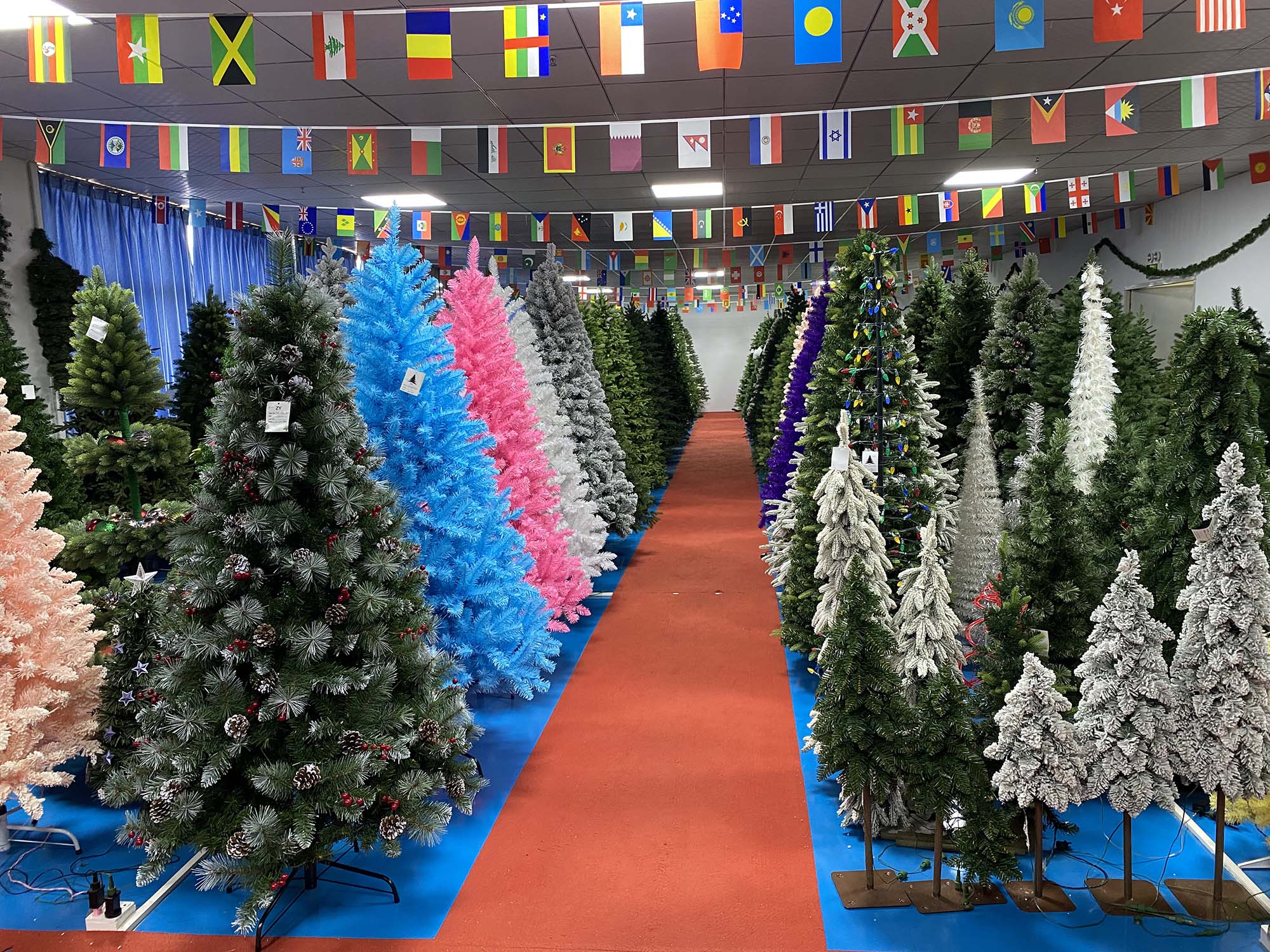
This warning is particularly severe for "snow-flocked" trees. The white flocking material, often made of cellulose or older adhesives, acts as an abrasive, causing the plastic needles to disintegrate up to 50% faster than non-flocked models. If your tree sheds large amounts of "white dust" when moved, it is time to retire it to prevent microplastic accumulation in your home.
III. The "Christmas Tree Syndrome" Myth Disproven
For decades, seasonal allergies during December were attributed to mold spores found on natural trees (the so-called "Christmas Tree Syndrome"). However, 2026 research clarifies that artificial trees can be even worse. The warning details how the nested, dense branches of an artificial tree serve as a "static dust magnet" during the 11 months it sits in storage. If stored in cardboard boxes in basements or attics, the tree accumulates significant amounts of dust mites and mold spores. When brought out and set up, these allergens are dispersed throughout the home by the static charge of the PVC, leading to a synthetic version of the seasonal allergy peak.
IV. The Pets & Small Child Advisory
regulators have amplified the pet and child safety warning this year. The issue is two-fold: ingestion and bio-accumulation. Chemicals like phthalates (used to soften PVC) leach from the branches. Pets that rub against the tree during play can ingest these chemicals during grooming. For children, the concern is lead dust settling on floor surfaces. The 2026 advisory states that the floor area under a pre-2018 artificial tree should be considered a "No-Play Zone" and must be daily wet-mopped to prevent dust suspension.
💡 Pro Maintenance Tip: HEPA Filtration
If you possess an artificial tree of an unknown manufacture date, the only mitigation strategy recommended by the 2026 report is to use a high-filtration HEPA vacuum to clean the tree itself and the surrounding floor area daily during the display period.
V. Pre-Lit Tree Electrical Fatigue
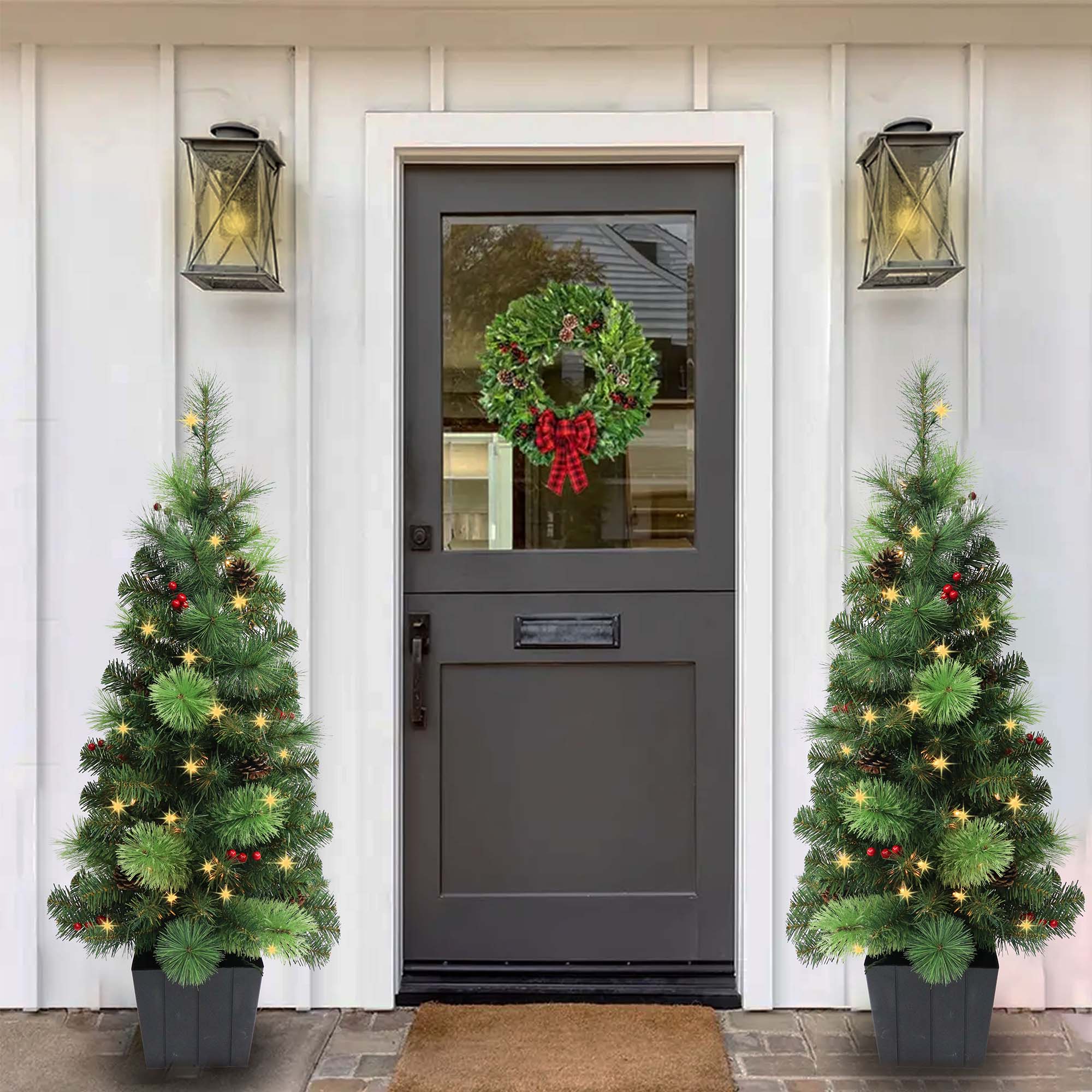
The final health warning concerns aging pre-lit trees. The 2026 data shows that the primary failure point is Internal Wire Fatigue. In trees that have been packed into tight boxes more than seven times, the insulation around the copper wiring hidden within the branches can develop stress fractures. These invisible cracks in the insulation create tiny, invisible arcing points when the tree is plugged in, transforming the tree from a decoration into a significant fire hazard. The warning states that if any part of your tree feels warm to the touch (beyond the bulbs themselves), the electrical system is failing and must be disabled.
VI. Sustainability & The Non-Recyclable Truth
The final part of the 2026 Special Report concerns the environmental impact. Artificial trees are composed of a mix of materials—PVC, steel, copper—that makes them impossible to recycle. Millions of trees are discarded annually, ending up in landfills where they will persist for centuries, leaching lead and microplastics into the soil. The 2026 recommendation is to only purchase an artificial tree if you are committed to maintaining and using it for a minimum of 20 years to offset its environmental cost, or explore newer PE (Polyethylene) trees designed for enhanced durability.
Can Christmas trees affect asthma
Is it better to buy an artificial Christmas tree with or without lights
Related Article