
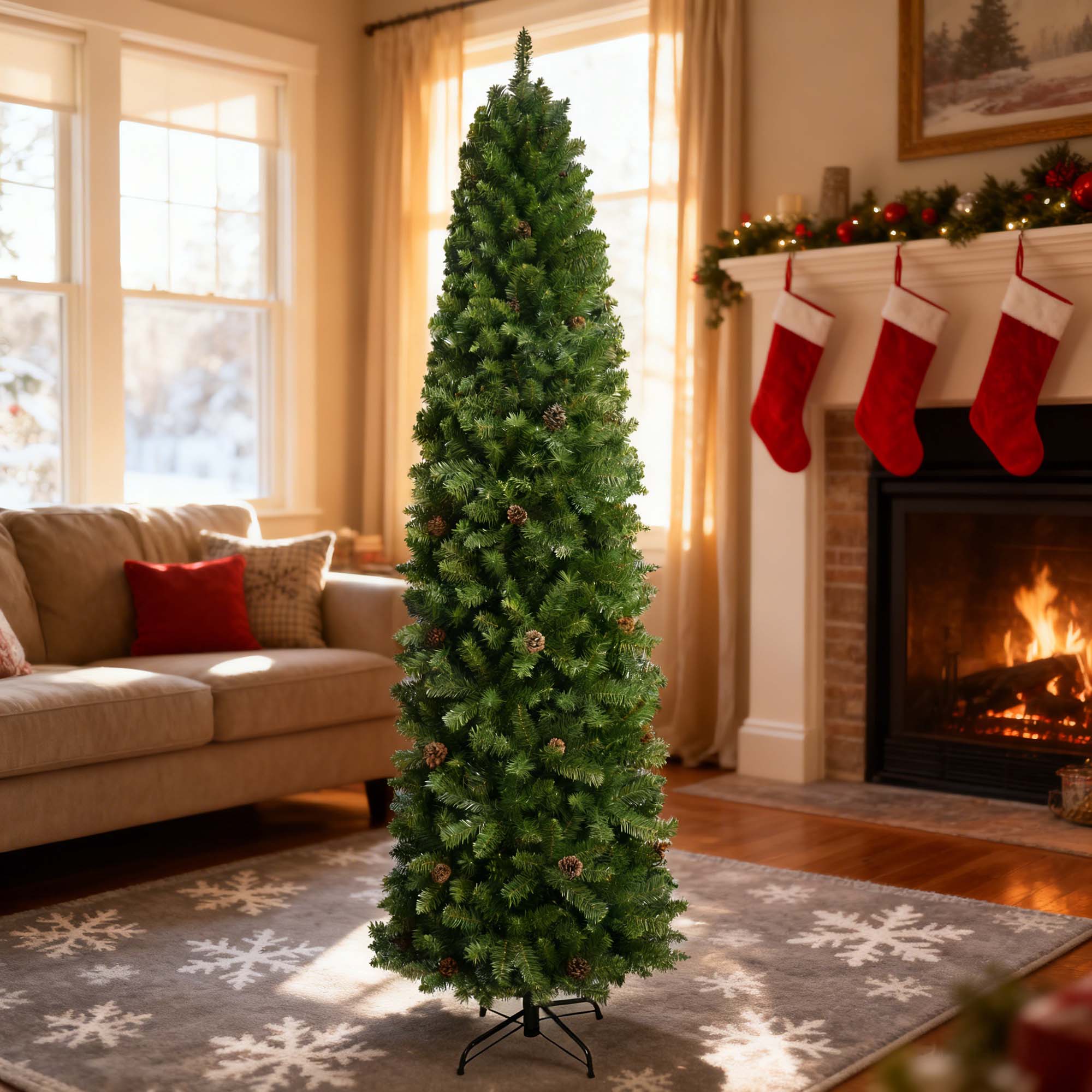
Why is decorating a Christmas tree considered witchcraft
Evergreen Enigmas: Why Is Decorating a Christmas Tree Considered Witchcraft?
✨ Unearthing Pagan Yule Origins, Puritan Bans, and Botanical Symbolism ✨
Every December, millions of families gather to string sparkling lights and hang glass ornaments on evergreen trees. Yet throughout history, religious scholars and strict theologians viewed this festive tradition with deep suspicion. At various points in European and early American history, decorating a Christmas tree was actively denounced as **heathen, pagan ritualism, or witchcraft**.
Why is decorating a Christmas tree associated with witchcraft or paganism? The connection stems from pre-Christian **Winter Solstice and Yule rituals**, where ancient cultures brought live evergreen boughs indoors as magical symbols of life, protective talismans against dark spirits, and offerings to nature deities.
In 1644, the English Parliament under Oliver Cromwell outlawed Christmas celebrations, deeming greenery decorations and feast days to be **unbiblical, idolatrous, and rooted in pagan superstition**. In Massachusetts, Puritan laws penalized anyone caught decorating homes with evergreen boughs!
3 Pre-Christian Roots Behind Evergreen Tree Rituals
- Norse & Germanic Tribes (Yule)
- Decorating outdoor fir trees with food, carved idols, and candles
- Honoring the sun god Balder and inviting nature spirits (*Landvættir*) to survive winter
- Ancient Romans (Saturnalia)
- Bough hanging and greenery displays during Winter Solstice
- Honoring Saturn, god of agriculture, symbolizing promised spring regrowth
- Celtic Druids
- Hanging mistletoe, holly, and evergreen boughs on doorways
- Protective warding against malevolent winter spirits and evil omens
| Ancient Culture | Evergreen Ritual | Symbolic Meaning |
|---|---|---|
Why Early Churches Opposed Tree Decorating
- Veneration of Nature Over Scripture: Early Christian leaders argued that worshipping or decorating trees mirrored animistic practices—where natural elements were believed to possess spiritual souls or supernatural powers.
- The Symbolic Use of Candles: Before electric LED lights, placing live candles on tree branches was seen by critics as a continuation of ancient Solstice fire rituals designed to coax back the sun god.
- Association with Idolatry: Passages in the Old Testament (such as Jeremiah 10:2–4) cautioning against cutting trees in the forest and embellishing them with silver and gold were historically cited by reformers as evidence against decorated trees.
The Final Verdict
While modern Christmas trees are universally celebrated as joyful secular and religious symbols, their origins are deeply intertwined with **ancient botanical folklore and Winter Solstice traditions**. Understanding these roots enriches our appreciation for how evergreen customs evolved across centuries into the festive centerpiece we cherish today!
What are the top 3 Christmas tree producing states

Related Article