
Why is it called a flock tree
Why is it called a Flock Tree?
When we dream of a "White Christmas," we often envision a landscape blanketed in fresh, powdery snow. In the world of interior design, we replicate this magic through the Flocked Christmas Tree. But have you ever wondered where this peculiar name comes from? Why "flock" and not simply "snowed" or "frosted"? The answer lies in a fascinating intersection of ancient textile arts, 1950s Hollywood glamour, and modern chemistry.
The Etymology of "Flock"
The word "flock" actually has nothing to do with a flock of birds or sheep in this context. Its roots trace back to the Latin word floccus, which translates to "a lock of wool." Historically, flocking was a process used in the textile industry where short, tiny fibers (often wool or cotton waste) were applied to a sticky surface to create a velvet-like texture on wallpaper or clothing.
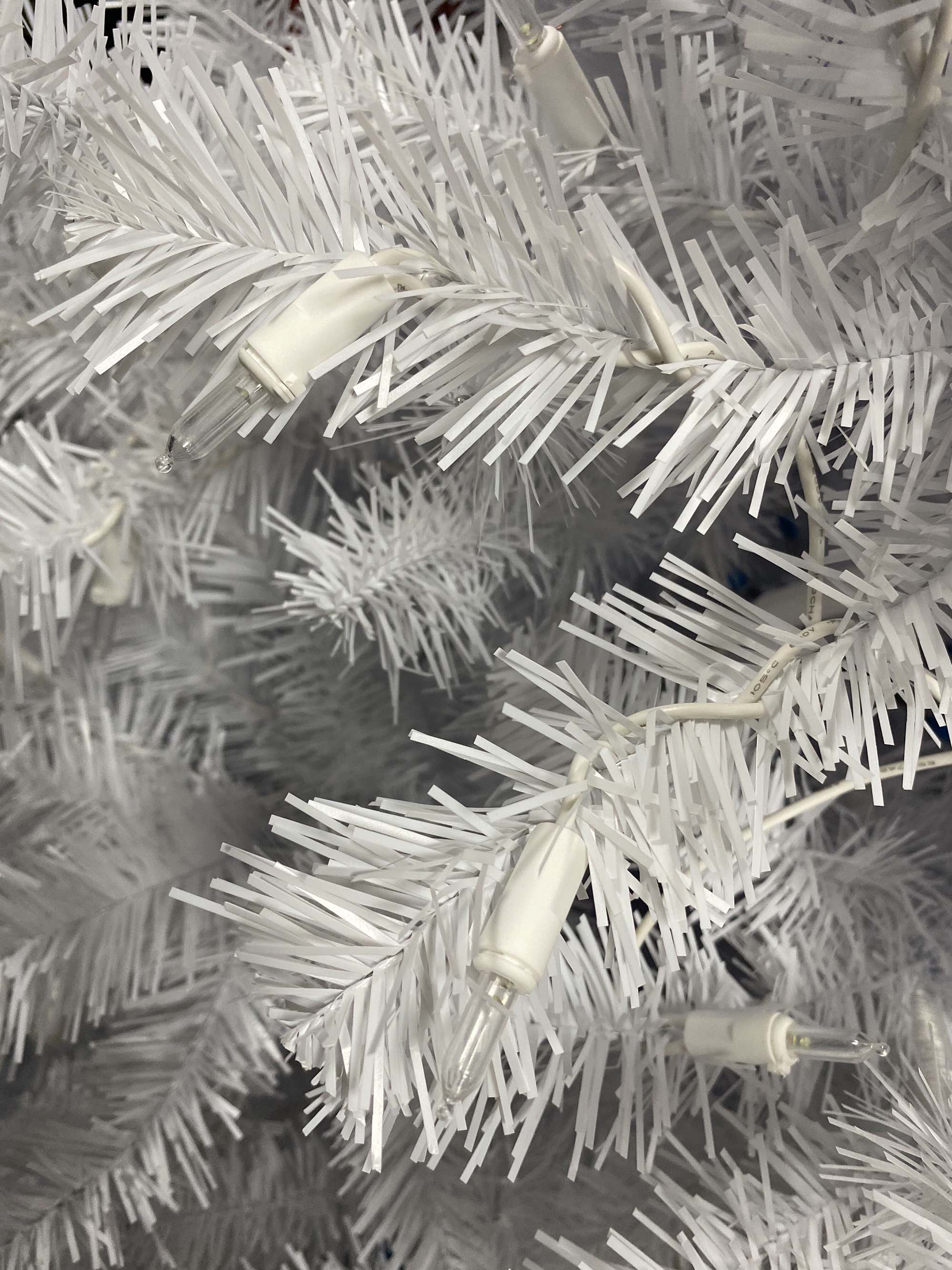
When holiday manufacturers began looking for a way to mimic the way heavy snow clings to pine needles, they borrowed this industrial term. To "flock" a tree meant to apply these tiny white fibers—usually made of cellulose or paper—to the branches using an adhesive, creating that iconic "clumped snow" effect that we recognize today.
Hollywood and the Golden Age of Flocking
While the concept of snow-dusting has existed for centuries, the "Flocked Tree" as a massive commercial success was born in the 1950s and 60s. During this era, Hollywood films began using heavily flocked trees on set to ensure they photographed well under bright studio lights. A natural green tree often looked dark or muddy on screen, but a white-dusted tree reflected light beautifully, creating a high-contrast, cinematic "glow."
By 2026, this aesthetic has evolved. Modern flocking is no longer just "white paint"; it is a sophisticated compound designed to be flame-retardant and long-lasting, allowing families to enjoy a frozen forest vibe in the middle of a warm living room.
Flocked vs. Frosted: What’s the Difference?
In the aisles of a holiday store, you may see both "Frosted" and "Flocked" trees. While they sound similar, they are technically quite different:
- Flocked Trees: These feature a heavy, thick application of white material. It looks like a blizzard just passed through, with snow weighing down the branches.
- Frosted Trees: These have a light dusting, as if a morning frost has just kissed the tips of the needles. You can still see plenty of green through the white.
- Texture: Flocking feels soft and fuzzy to the touch, while frosting is often more of a crystalline or glittery finish.
- Visual Impact: Flocked trees provide a much bolder, monochromatic look that serves as a high-contrast backdrop for ornaments.
The Enduring Appeal in 2026
Why do we still love flocking in 2026? It’s about the Light. Because white reflects all colors of the visible spectrum, a flocked tree makes your Christmas lights appear twice as bright. The LEDs nestle into the "snow," creating a soft, diffused glow that makes the entire tree appear to be lit from within. Furthermore, flocked trees are the perfect canvas for modern "minimalist" decor, such as all-silver or all-blue ornament themes.
So, the next time you admire those snowy branches, remember that you are looking at a tradition that spans from the textile mills of Europe to the movie sets of California. The "Flock Tree" is a testament to our desire to capture the fleeting, ephemeral beauty of winter and keep it frozen in time for our families to enjoy.
What are the different types of artificial Christmas trees
Is there a trick to fluffing a fake Christmas tree
Related Article