Which is better, artificial or real Christmas trees
Real vs. Artificial Christmas Trees: Finding the Perfect Centerpiece for Your Home
The scent of fresh pine, the twinkling lights reflected in ornaments, and the gathering of loved ones—nothing symbolizes the holiday season quite like the Christmas tree. However, as we become more conscious of our environmental footprint and household budgets, the age-old debate resurfaces: Should you opt for a natural, farm-grown tree or a reusable artificial one? This guide provides an in-depth analysis of both options to help you make an informed decision for your space.
The Authenticity of Real Christmas Trees
For many families, the journey to a tree farm is a cherished annual ritual. Beyond the tradition, real trees offer sensory experiences that manufactured versions simply cannot replicate.
The Sensory Experience
The most significant advantage of a real tree is the natural fragrance. Species like the Fraser Fir or Balsam Fir release essential oils that fill a home with a crisp, wintery aroma. Furthermore, every real tree is unique; its slight imperfections and natural silhouette lend an organic warmth to interior decor that looks "lived-in" and authentic.
Environmental Impact and Lifecycle
Contrary to popular belief, purchasing a real tree does not contribute to deforestation. Christmas trees are grown as a crop, much like vegetables. While they grow, they absorb carbon dioxide and provide habitats for local wildlife. Once the holidays are over, real trees are 100% biodegradable. Most municipalities offer recycling programs where trees are chipped into mulch for public parks or used for erosion control in coastal areas.
The Practicality of Artificial Christmas Trees
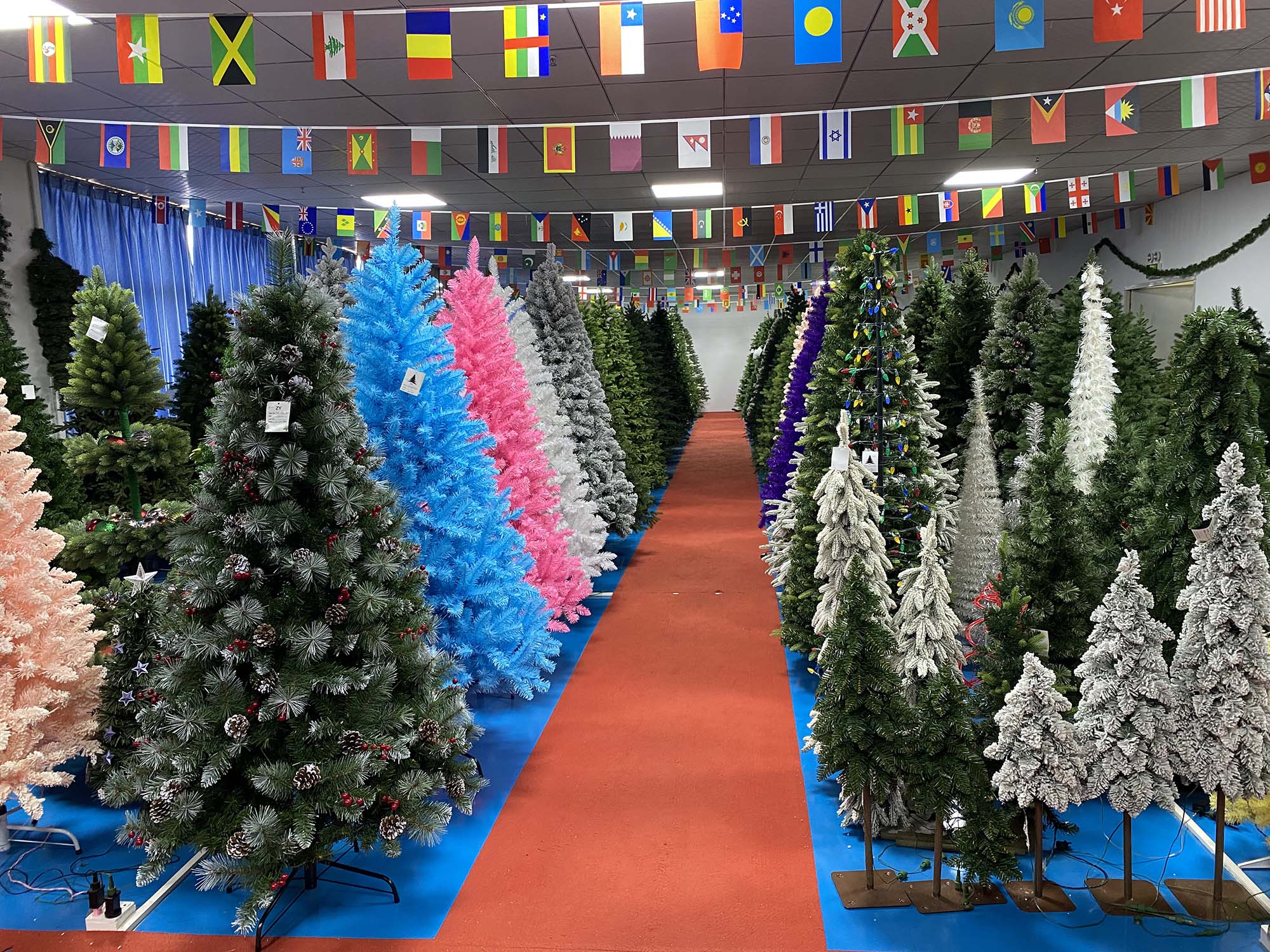
In recent years, artificial trees have surged in popularity due to technological advancements in "True Needle" design, making them look incredibly realistic even upon close inspection.
Convenience and Cost-Efficiency
The primary draw of an artificial tree is its "set it and forget it" nature. There are no falling needles to vacuum and no sticky sap to clean off your floors. From a financial perspective, while a high-end artificial tree might cost $300 to $800, it pays for itself within three to five years when compared to the rising annual cost of real trees.
Safety and Health Considerations
For households suffering from mold allergies or "Christmas Tree Syndrome" (allergic reactions to pollen or mold found on live bark), artificial trees are a safer alternative. Most modern artificial trees are also manufactured with flame-retardant materials, offering peace of mind for those using vintage lighting or keeping the tree near a fireplace.
| Comparison Criteria | Real Trees | Artificial Trees |
|---|---|---|
| Initial Cost | Moderate ($70 - $150 annually) | High ($150 - $1,000 once) |
| Lifespan | One Festive Season | 10 to 20 Years |
| Setup Effort | High (Trimming, watering, disposal) | Low (Easy assembly and storage) |
| Disposal | Recyclable and Biodegradable | Landfill (mostly non-recyclable) |
Sustainability: The Carbon Footprint Debate
The "greenest" choice depends entirely on your long-term behavior. According to environmental research, a 6.5ft real tree that ends up in a landfill has a carbon footprint of around 16kg of CO2. However, if it is chipped or burnt for energy, that footprint drops by 80%.
Making Your Final Decision
To choose the best tree for your home this year, consider these three critical factors:
- Your Schedule: If you travel frequently during December, a real tree will likely dry out. An artificial tree is much better for busy lifestyles.
- Storage Space: Artificial trees require significant storage space during the off-season. Ensure you have a dry, cool area (like a garage or attic) to keep it.
- Local Availability: If you live in a region where trees must be shipped thousands of miles, the environmental cost of transport may outweigh the benefits of a real tree.
Why is pre-lit artificial Christmas tree not lighting up
Are artificial trees bad for your health
Related Article