Which color is not traditional for Christmas
Unconventional Elegance: Which Color Is Not Traditional for Christmas?
🚫 Breaking the Rules: The Fascinating Rise of Non-Traditional Holiday Palettes 🚫
Close your eyes and think of Christmas decor. Instantly, your brain paints a vivid landscape of deep pine greens, candy cane reds, and snowy whites, perhaps kissed by shimmering tones of gold and silver. This core palette feels ancient, comforting, and biologically correct for winter.
But open up any high-end interior design platform or visit a chic urban boutique today, and you’ll see the rules being gleefully shattered. Designers are throwing out the traditional rulebook to create aesthetic, unexpected spaces.
This raises an intriguing question for trend hunters: Which color is explicitly NOT traditional for Christmas? And why are these rebellious hues suddenly the hottest choices for modern homes?
The Ultimate Non-Traditional Shade: Millennial Pink & Magenta
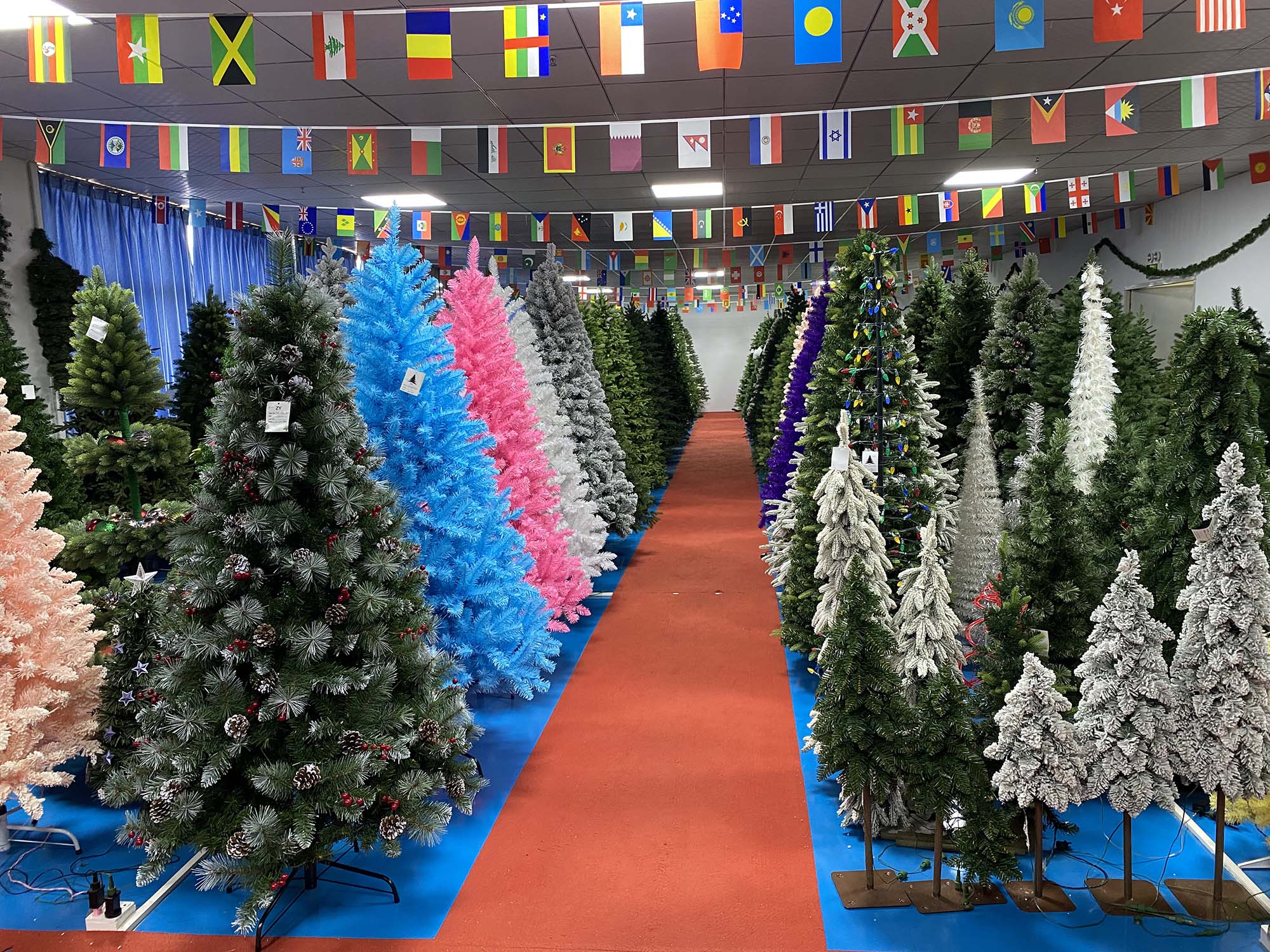
If there is one color that historically has absolutely nothing to do with northern winter solstices, evergreen trees, or early religious traditions, it is Pink—especially vibrant Magenta, Barbie Pink, and Soft Pastel Blush.
Historically, red and green dominated because they represented survival and life (holly berries and pines) amidst deadly freezing weather. Pink, on the other hand, is a color heavily associated with spring blossoms, summer heat, and bright tropical energy. For centuries, using pink in a winter holiday setting would have been looked at with complete confusion.
4 Other Surprisingly Non-Traditional Christmas Colors
While pink leads the rebellion, several other shades sit firmly outside the traditional boundaries of a standard Christmas spectrum:
- Electric Turquoise & Teal: While deep midnight blues represent the holy night sky, bright, sunny turquoise is thoroughly non-traditional. It brings a retro, mid-century modern "Palm Springs" aesthetic to winter greenery.
- True Jet Black: For generations, black was considered far too somber and gothic for a joyful holiday. However, modern gothic-minimalists have popularized matte black artificial trees paired with high-contrast warm white lights for an ultra-chic, high-fashion statement.
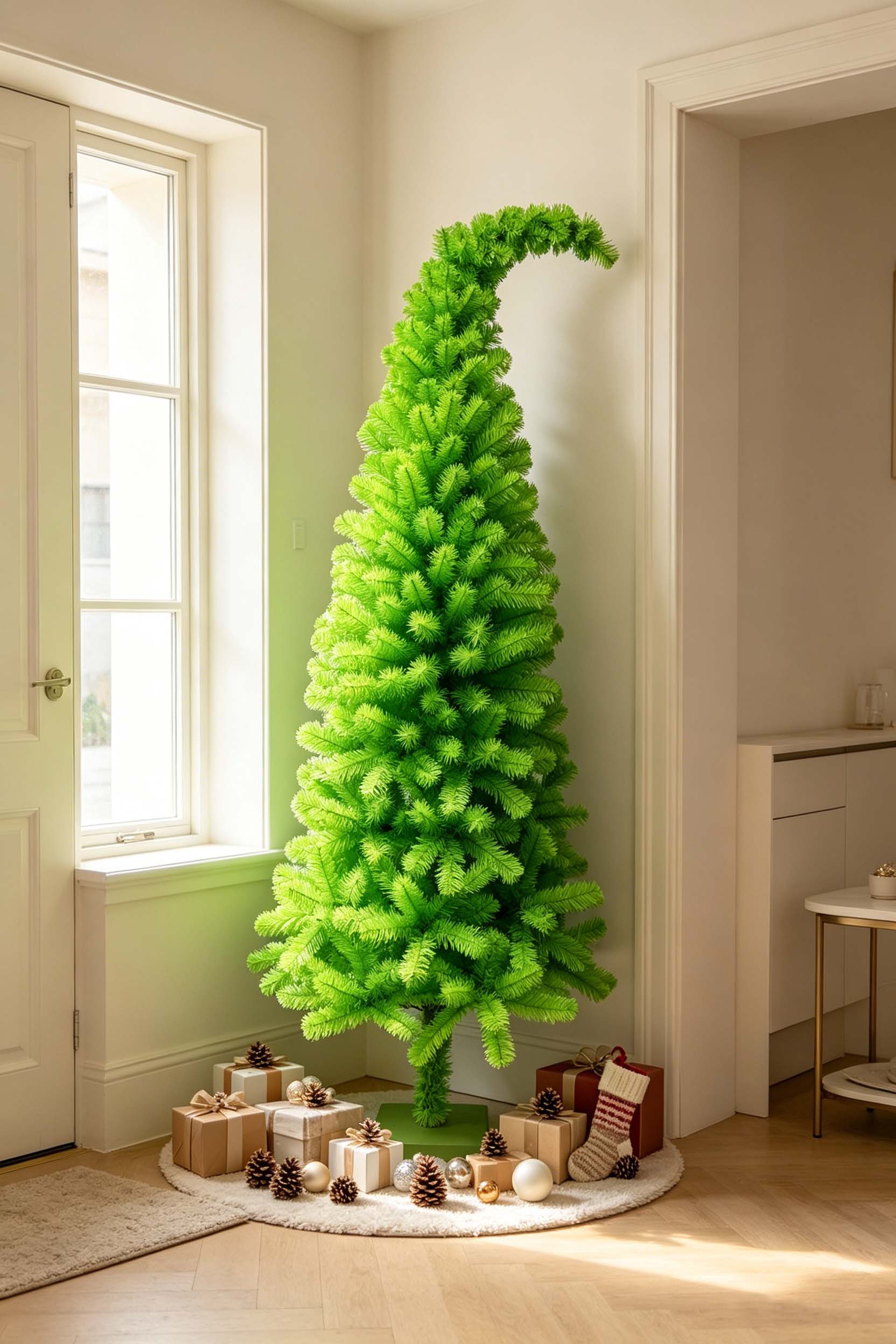
- Neon Orange & Chartreuse: Fluerescent, acidic colors are the absolute antithesis of warm hearth-fire tones. Yet, avant-garde pop-art enthusiasts love using chartreuse accents to build eclectic, youth-centered holiday setups.
- Lavender & Cool Violet: While deep purple has legitimate liturgical roots in Advent, soft, whimsical lavender is entirely untraditional—serving now as a staple for dreaming, cloud-like Scandinavian winter wonderland designs.
The Modern Pivot: Why "Untraditional" Wins
Why are homeowners increasingly looking for colors that are *not* traditional for Christmas? The answer lies in personal expression. Today's living spaces are deeply personalized sanctuaries. If your living room is designed around soft cream boucle fabrics and pastel accents, forcing a heavy, aggressive primary red and green tree into the corner can completely disrupt your home's energetic harmony.
By opting for a non-traditional anchor color—like decorating a white flocked spruce entirely with blush pink ribbons, matte copper accents, and rose gold ornaments—you keep your space feeling like *you*, while still inviting the magic of seasonal lighting indoors.
The Final Verdict
While **vibrant pinks, bright turquoises, and true blacks** are definitively not traditional for Christmas, they are proof that holiday cheer isn't locked inside a historic box. Tradition is a beautiful foundation, but creativity is what keeps the holidays alive. Don't be afraid to break the color mold this year!
Related Article