
What is the history of the Christmas wreath
The Circle of Season: What Is the History of the Christmas Wreath?
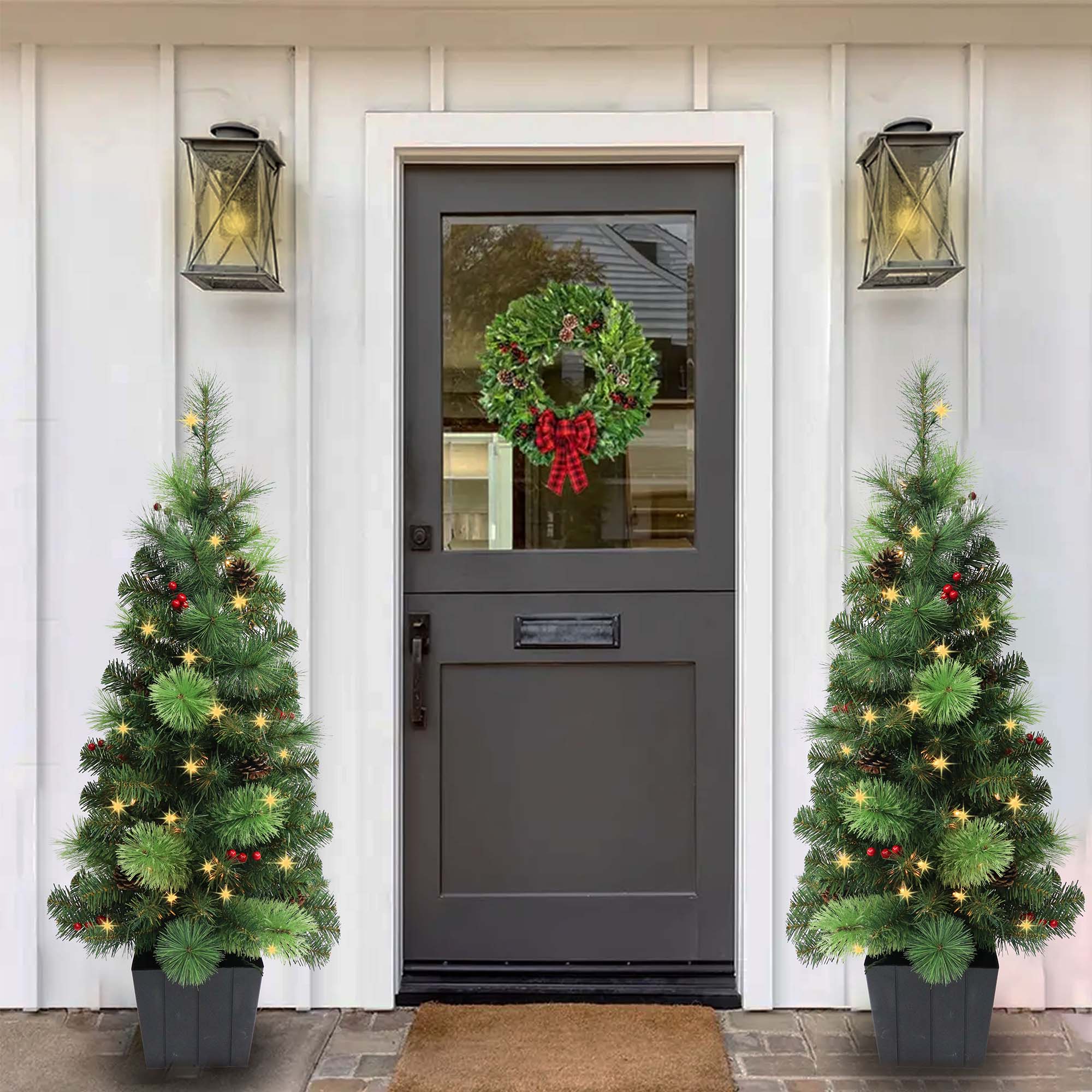
Long before we flip the calendar to December, a quiet transformation begins on streets and neighborhoods around the world. Front doors are suddenly adorned with beautiful, circular arrangements of pine needles, holly leaves, and velvet bows. Hanging a wreath is the ultimate universal sign of holiday welcome.
But have you ever paused while hanging your decorations to wonder: What is the history of the Christmas wreath? Why do we twist prickly evergreen branches into a circle and hang them on our doors? As it turns out, the history of this festive ring is a fascinating tapestry woven from ancient Roman victories, pagan winter rituals, and early Christian symbolism. Let's step back in time to unwrap its story.
1. Ancient Roots: Roman Crowns and Pagan Solstice
The concept of the wreath far predates Christmas itself. In ancient Greece and Rome, wreaths woven from laurel, ivy, or olive branches were used as symbols of high social status, victory, and achievement. Emperors, Olympic athletes, and military heroes wore them as crowns.
- The Winter Connection: Simultaneously, pagan tribes throughout Northern and Eastern Europe celebrated the Winter Solstice (Yule). To combat the bleak, dead look of winter, they brought evergreen boughs indoors. Because these plants stayed green through the harshest frosts, they were seen as magical symbols of life, resilience, and the eventual return of the sun.
2. The Evolution into a Circular Shape
So, how did loose branches become the wreath we recognize today? One of the most practical historical theories involves the pruning of early Christmas trees.
In 16th-century Germany, when the tradition of bringing a whole tree indoors grew popular, families would often chop off the lower branches to make the tree fit perfectly into a room or stand straight. Rather than wasting these precious green trimmings, resourceful households twisted the flexible boughs into circles to decorate their homes, giving birth to the modern holiday wreath.
3. The Deep Christian Symbolism
As Christianity spread through Europe, many old winter customs were adopted and given new spiritual meanings. The wreath quickly became a powerful theological teaching tool:
- The Infinite Circle: The circular shape, having no beginning and no end, was used to represent eternity—specifically the immortal nature of the soul and the endless love of God.
- The Evergreen Materials: Standard choices like holly and pine symbolized eternal life. The sharp, prickly leaves of the holly wreath were viewed as reminders of the crown of thorns worn during the Crucifixion, while the bright red berries represented drops of blood.
🕯️ The Advent Wreath Twist
In the 1830s, a German pastor named Johann Hinrich Wichern created a specific spin-off: the **Advent Wreath**. Made as a countdown calendar for children, it featured a horizontal evergreen ring holding four candles. Lighting one candle each Sunday leading up to Christmas Eve remains a cherished tradition in Catholic and Protestant churches worldwide today.
Conclusion: A Timeless Circle of Welcome
Today, the Christmas wreath has evolved beyond its strict historical and religious origins to become a beautiful, artistic expression of seasonal joy. Whether your wreath is made from traditional live fir, vintage shiny ornaments, or minimalist eucalyptus, it carries thousands of years of human history. When you hang it up this year, you aren't just decorating—you are participating in a beautiful, ancient chain of winter celebration. Happy holidays!
What does gold symbolize in Christmas
What are the tiny Christmas trees called
Related Article