What are the pros and cons of a snowy Christmas tree
The Winter Wonderland Dilemma: Pros and Cons of a Snowy Christmas Tree
🌲 Design vs. Reality: Is a Flocked Evergreen Centerpiece Right For Your Home? 🌲
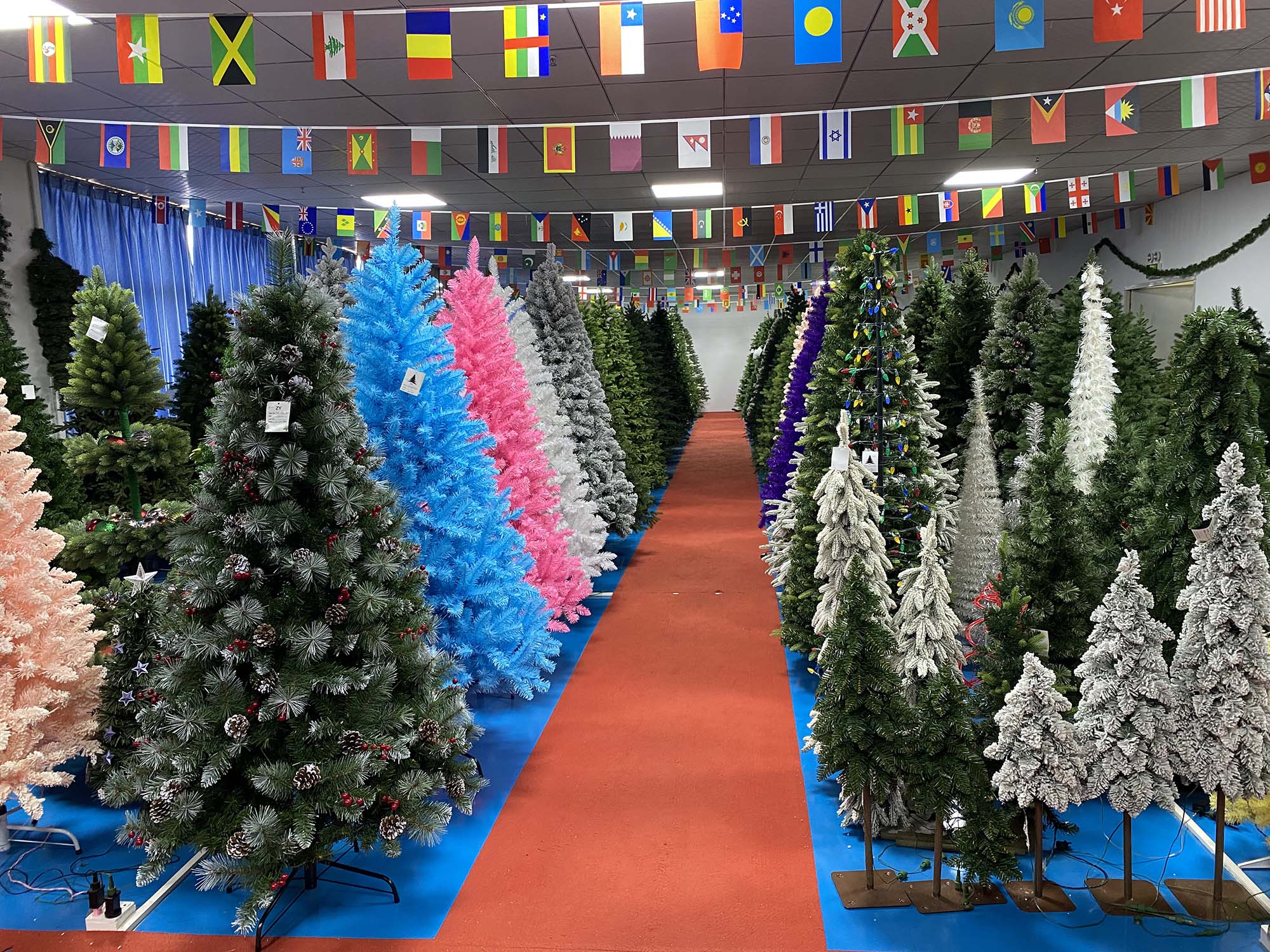
Every holiday season, the same magical image dominates interior design magazines and social media feeds: the **flocked Christmas tree**. Coated in a dense, fluffy layer of synthetic white snow, these trees instantly transform any living room into an enchanting, alpine sanctuary straight out of the North Pole.
It is incredibly easy to fall in love with the fairy-tale aesthetic. However, before you pull out your credit card to swap your traditional green tree for a snow-covered centerpiece, it’s critical to look past the beautiful photography. Synthetic flocking comes with unique care requirements, structural changes, and home maintenance challenges.
To help you make the perfect choice for your household, let’s unpack the honest, unbiased **pros and cons of owning a snowy Christmas tree**.
The Pros: Why Flocked Trees Are Loved Globally
There is a reason flocked trees fly off retail shelves early every November. The aesthetic and lighting advantages are genuinely unparalleled:
- Unmatched Alpine Aesthetic: A snowy tree completely redefines a room. It breaks the predictable mold of standard holiday decor, bringing an organic, dramatic sense of the freezing winter wilderness directly into the warmth of your home.
- The Light-Amplifying Canvas: Dark forest green naturally absorbs light. Pure white flocking, however, behaves like a mirror. When you string fairy lights onto a snowy tree, the white fibers capture and scatter the glow, making the entire tree look like it is radiating from within.
- Effortless Fullness: The fluffy cellulose compound used to create the snow expands as it cures on the branches. This naturally patches up any awkward empty gaps, sparse spots, or internal structural holes common in standard artificial trees.
- Flawless Stage for Pastels & Jewel Tones: White snow serves as a magnificent, high-contrast background. Modern color trends like soft blush pinks, frozen tiffany blues, and luxurious copper ribbons pop with staggering vividness against a white background.
The Cons: The Mess and Maintenance Reality
While the look is undeniably spectacular, the daily reality of managing a heavily flocked centerpiece requires some practical sacrifice:
- The Dreaded Shedding Factor: No matter how premium your artificial tree brand is, **flocked trees shed**. During setup, branch fluffing, and decorating, small white flakes will inevitably rain down onto your floor. If you have pets that love to climb or playful toddlers, expect to keep your vacuum close by all December long.
- Ornaments Can Get Sticky: The flocking mixture is applied using specialized adhesives. Over time, some of this chalky, slightly sticky residue can rub off onto your cherished heirloom glass ornaments or tangle with delicate tinsel garlands.
- Shorter Lifespan and Yellowing: While a premium green artificial tree can easily last fifteen years, flocked trees degrade faster. If stored in a humid attic or warm garage, the white synthetic pulp can slowly oxidize and take on a faded yellow tint over several off-seasons.
- Zero Off-Season Flexibility: A classic green tree can pull double duty—styled with spooky decorations for a Halloween party in October or bright floral garlands for a spring display. A flocked tree is permanently locked into a deep-winter alpine look.
The Final Verdict: Is It Right For You?
Ultimately, choosing a snowy Christmas tree is a trade-off between **high-end visual magic and physical maintenance**. If you are a design enthusiast who loves the glowing, dramatic look of an upscale winter wonderland—and you don't mind running a vacuum cleaner occasionally—a flocked tree is an absolute dream come true.
However, if you have a busy home packed with active pets, value absolute practical simplicity, or want a family heirloom tree that will stay pristine for twenty years, sticking to a classic green pine remains the gold standard.
Related Article