What are the benefits of using an artificial Christmas tree
As the holiday season approaches, the center of every festive home is the iconic evergreen. While the debate between natural and synthetic persists, the modern artificial Christmas tree has redefined holiday decorating through innovation and elegance.
Superior Long-Term Financial Value
One of the most immediate benefits of an artificial Christmas tree is the significant return on investment. The price of real trees has skyrocketed in recent years due to climate change and transport costs. While a premium artificial Christmas tree may require a higher upfront cost, it is a one-time purchase that lasts for 10 to 15 years. You save on the hidden costs associated with real trees, such as disposal fees and the fuel used for yearly trips to the tree lot.
Zero Maintenance and Cleanliness
Real trees are biologically designed to shed. From the moment it is cut, it begins to drop sharp, sticky needles that embed themselves in carpets. Additionally, real trees require daily watering to prevent them from becoming a fire hazard. An artificial Christmas tree requires none of this labor. There is no watering, no sap dripping onto your floors, and no need for heavy-duty vacuuming every morning, allowing you to focus on the joy of the season.
Unmatched Safety Features
Fire safety is a critical reason to opt for an artificial Christmas tree. A dry real tree can be engulfed in flames in seconds. Most modern artificial Christmas tree variants are manufactured using high-quality, flame-retardant materials. This provides a vital layer of protection for your home and family, ensuring that your home remains safe from late November through the New Year without the risk of biological decay turning your decor into a hazard.
Hypoallergenic and Health-Conscious
Real trees often carry mold spores and pollen into the home, triggering "Christmas Tree Syndrome" for many allergy sufferers. An artificial Christmas tree eliminates these biological triggers. Manufactured in controlled environments, an artificial Christmas tree allows everyone—including children and pets with sensitivities—to enjoy the holiday decor without the risk of sneezing, rashes, or asthma flare-ups.
Aesthetic Perfection
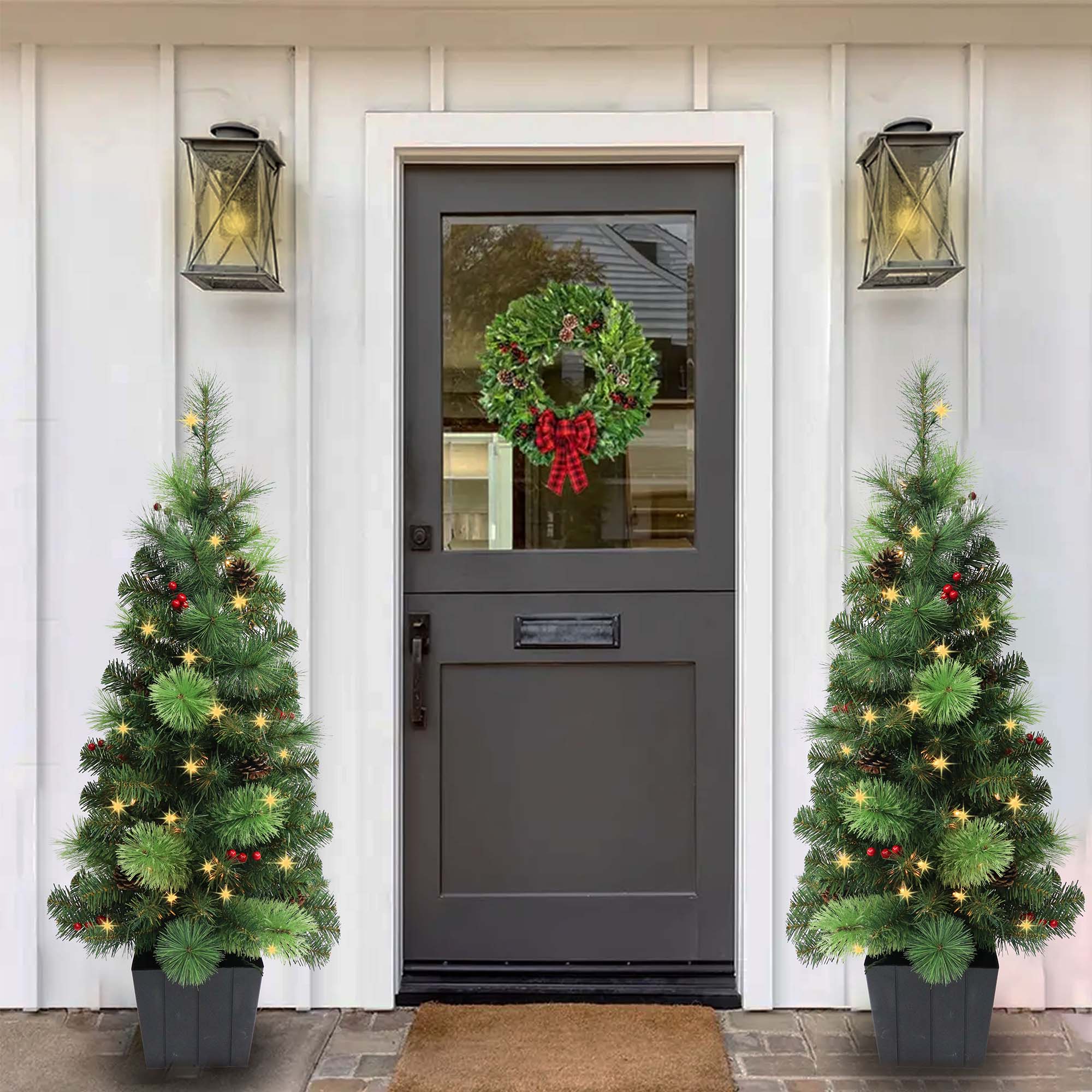
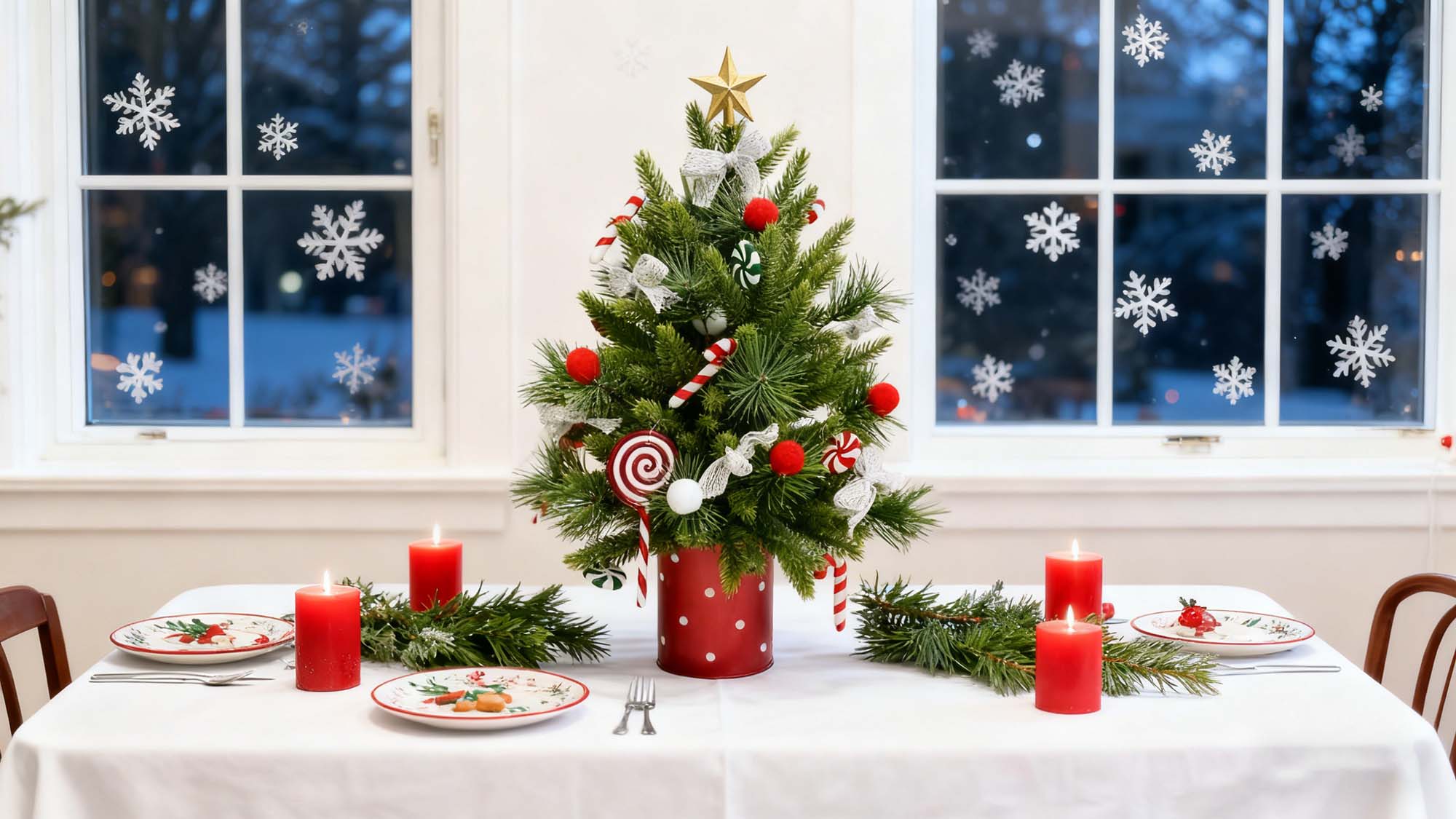
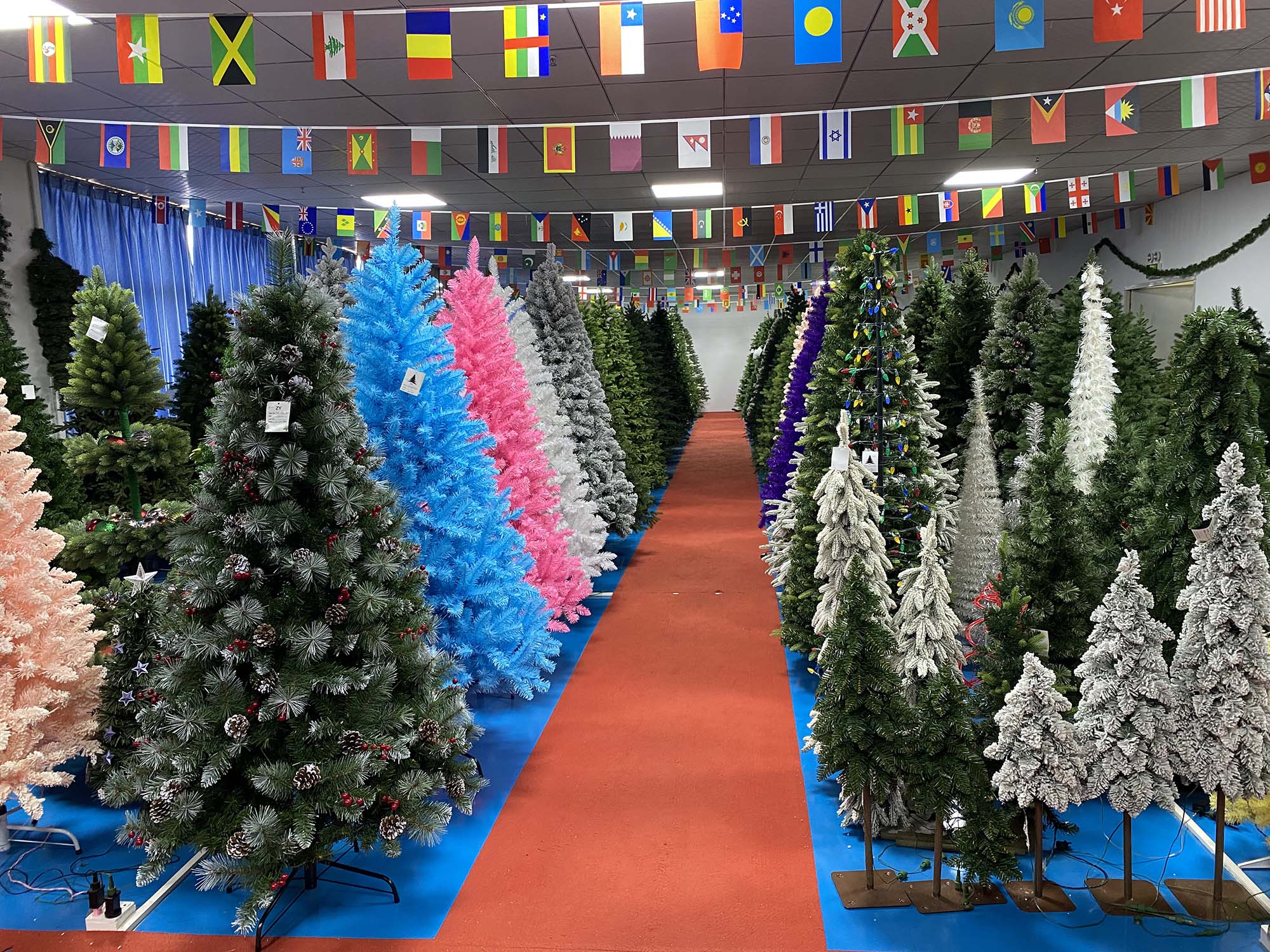
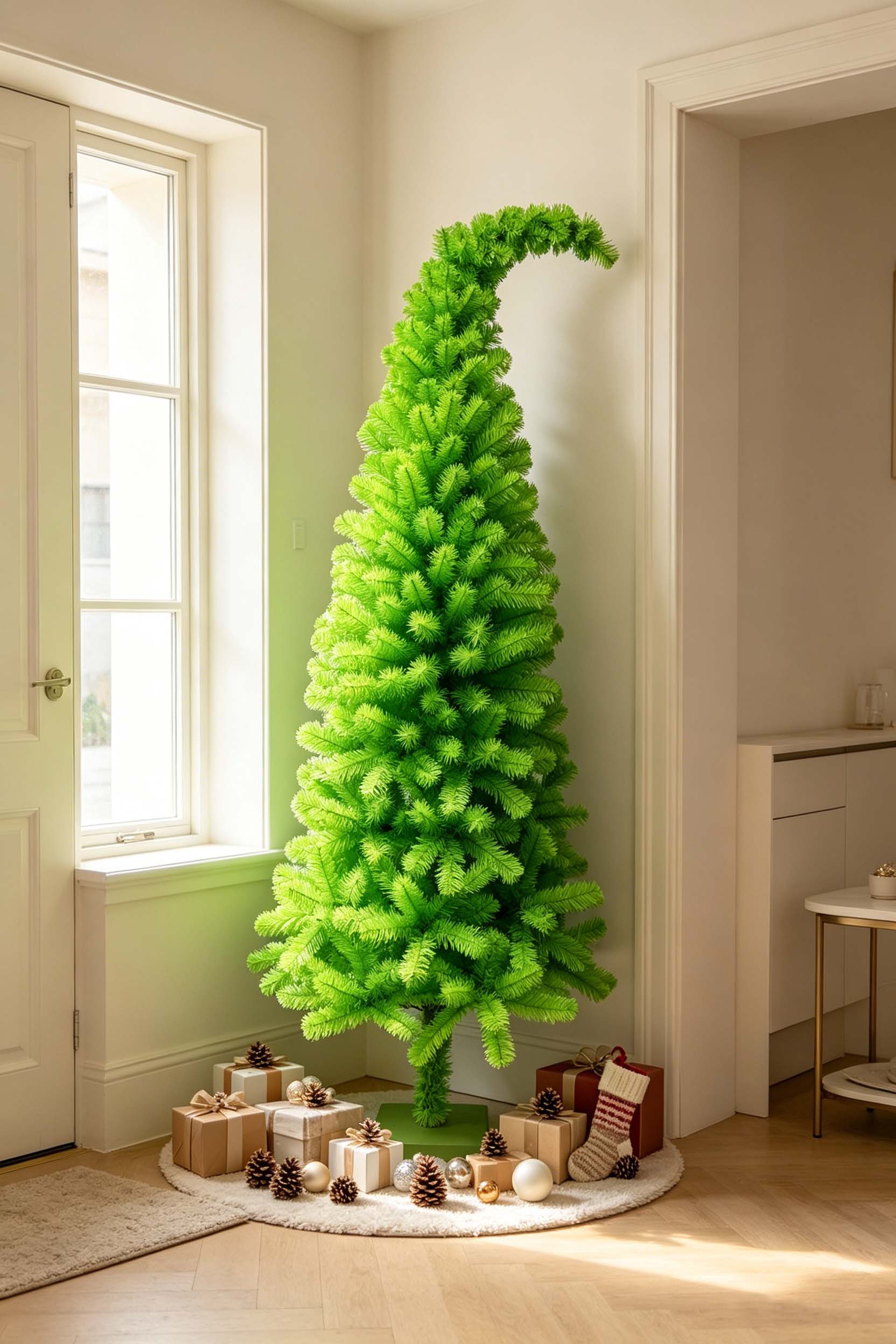
Nature rarely produces a perfectly symmetrical tree, but with an artificial Christmas tree, you get structural perfection. The branches are sturdy and evenly spaced, designed to hold heavy ornaments without sagging. You can choose from an incredible variety of styles—from the classic Fir look to "flocked" trees that appear covered in snow, ensuring your artificial Christmas tree fits your interior design perfectly.
Convenience in Setup
The struggle of hauling a heavy real tree through a narrow door is a tradition many are happy to leave behind. A modern artificial Christmas tree is typically divided into lightweight sections that click together with ease. Many are "pre-lit," featuring hundreds of perfectly placed LED lights already woven into the branches, saving you hours of untangling wires and ensuring an even glow across the entire artificial Christmas tree.
Environmental Considerations
While the debate centers on sustainability, the artificial Christmas tree can be an eco-friendly choice if used correctly. Research suggests that if you keep and reuse your artificial Christmas tree for more than 8 to 9 years, its carbon footprint becomes lower than buying and disposing of a real tree every single year. By committing to a high-quality model, you contribute to a cycle of reuse that prevents annual waste.
In conclusion, the decision to use an artificial Christmas tree is rooted in practicality and long-term satisfaction. It is a reliable, beautiful, and safe centerpiece that will stand as a witness to your family’s holiday memories for many years to come.
Merry Christmas and Happy Decorating!
What is the average lifespan of a fake Christmas tree
How to set up an artificial Christmas tree
Related Article