What are the 5 main Christmas colors
Decoding the Yuletide Palette: What Are the 5 Main Christmas Colors?
✨ The Spiritual, Historical, and Aesthetic Meanings Behind Holiday Decor ✨
Walk into any home, market, or city square during the month of December, and you are instantly enveloped in a distinct, universally recognized visual language. Christmas is a holiday deeply defined by its colors. These shades don't just look beautiful under living room lights; they carry centuries of folklore, religious symbolism, and historical tradition.
While modern design trends introduce temporary fads every year—like pastel pinks or neon greens—the traditional holiday aesthetic always returns to a sacred foundation. Here is the definitive breakdown of the 5 main Christmas colors and why they dominate the winter season.
1. Christmas Red: The Symbol of Life and Sacrifice
Undeniably the most dominant hue of the season, Red brings an instant burst of warmth, excitement, and energy to the cold winter months.
Spiritually and historically, red represents the holly berries that thrive in frozen woods, symbolizing life amidst winter dormancy. In Christian traditions, it signifies the blood of Christ and the ultimate message of love and sacrifice. Culturally, it was cemented into global pop culture during the 1930s via iconic holiday advertisements that formalized Santa Claus’s cheerful, bright red velvet suit.
2. Forest Green: The Promise of Eternal Life
Long before the invention of modern Christmas tree lots, ancient cultures used evergreens—such as pine, fir, and mistletoe—to decorate their doorways during the winter solstice.
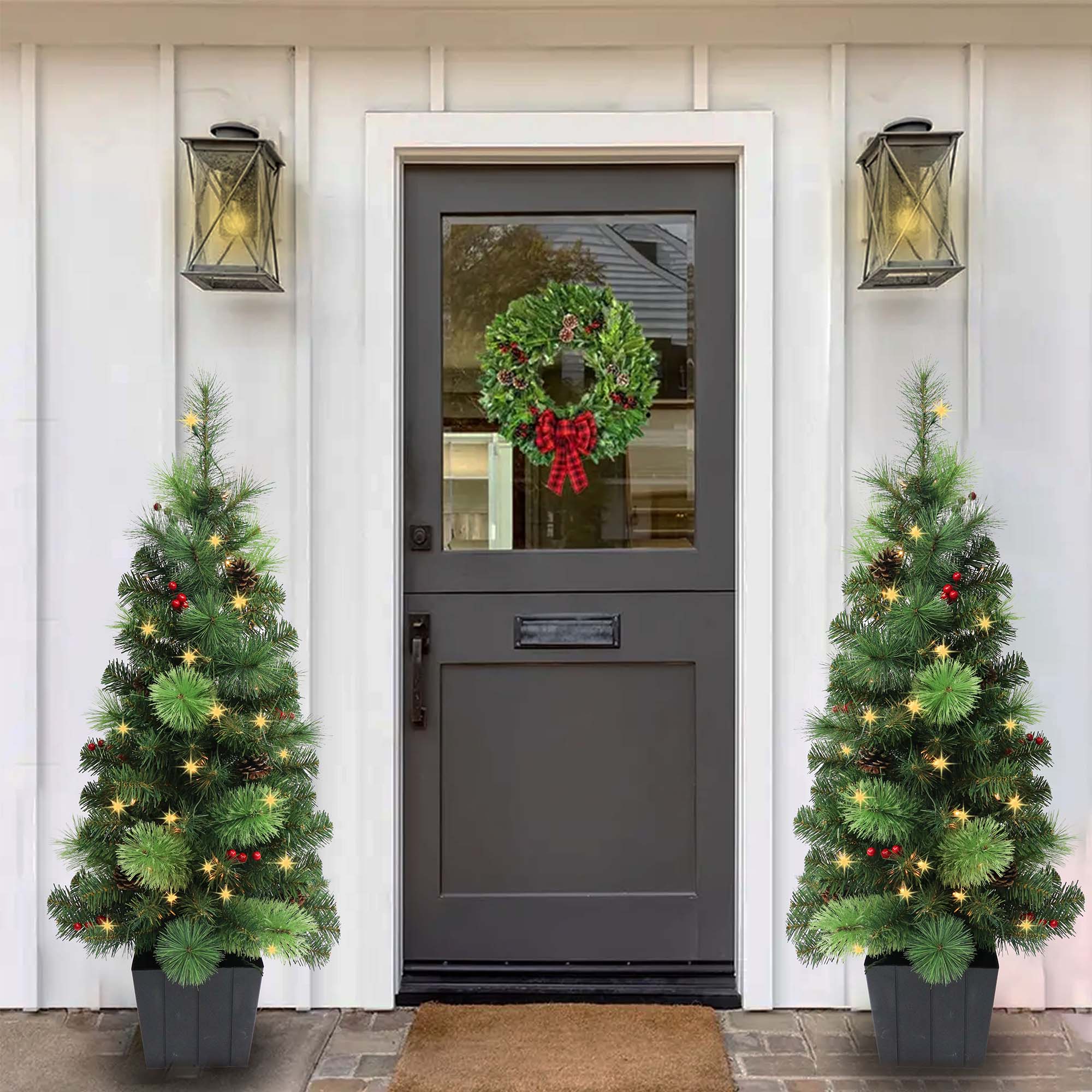
Because these plants stay vibrant when the rest of the forest appears skeletal and dead, Green spiritually symbolizes growth, resilience, and the guaranteed return of spring. Hanging a green wreath or setting up a spruce tree is a beautiful reminder that life persists through the darkest, coldest times of our lives.
3. Snow White: Purity, Peace, and New Beginnings
Nothing captures the magic of winter quite like a blanket of fresh powder. White serves as the peaceful, balancing neutral of the holiday color wheel.
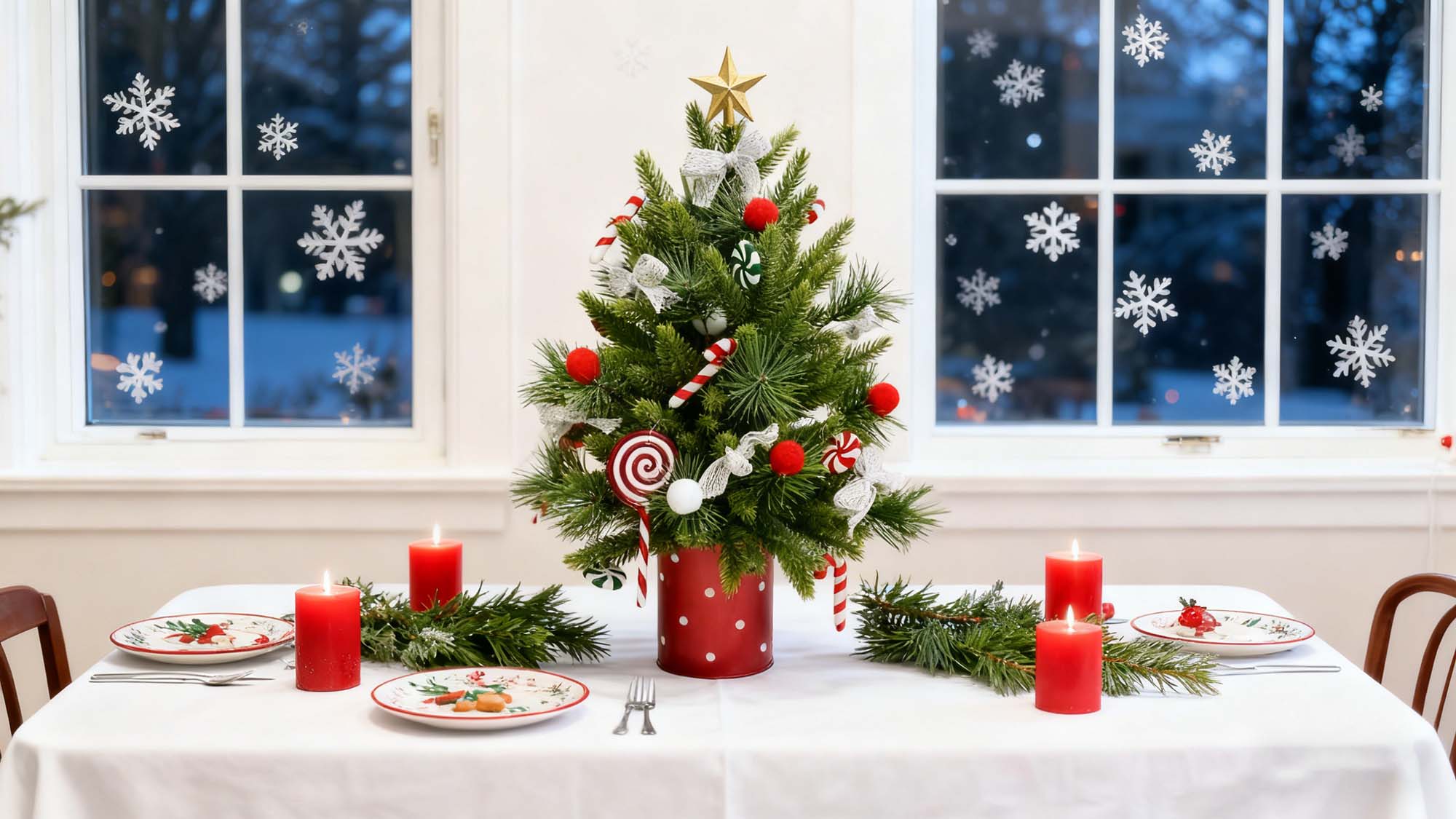
Historically representing the pristine winter snow of the northern hemisphere, white spiritually symbolizes purity, divine light, peace, and clean slates. In interior design, introducing white elements—like flocked branches, ceramic village houses, or crisp table linens—prevents heavy reds and greens from overwhelming a space, creating a serene, cloud-like sanctuary.
4. Radiant Gold: Divine Light and Celebration
If red, green, and white build the structure of Christmas, Gold delivers the magic. It is the ultimate metallic of the holiday season.
Representing the warm glow of the sun, roaring fireplaces, and flickering candles, gold brings a luxurious, royal texture to holiday decor. Historically, it honors the star of Bethlehem that guided the Wise Men, as well as one of the literal gifts brought to the nativity. In modern styling, warm gold accents reflect fairy lights brilliantly, wrapping your entire home in a soft, liquid-amber halo.
5. Midnight Blue / Silver: The Celestial Winter Night
Often overlooked but visually essential, the final core anchor of Christmas consists of Deep Blues and Cool Silvers.
This pairing represents the crisp, freezing atmosphere of a clear winter night sky and the shimmering sheen of icicles hanging from the roof. Blue adds a quiet, majestic depth to holiday decorations, beautifully mimicking the twilight hours of late December. Paired with mercury glass or silver tinsel, it creates an elegant, icy contrast to the fiery warmth of holiday gold and red.
How to Mix the Big 5 in Your Home
- The Traditionalist: Stick to a 60/30/10 ratio of **Green, Red, and Gold** for a classic, nostalgic heirloom feel.
- The Winter Wonderland: Focus entirely on **White, Silver, and Midnight Blue** for a cool, modern, frosted-glass aesthetic.
- The Warm Minimalist: Clean lines utilizing **White, Green, and Brushed Gold** for a quiet luxury Scandinavian vibe.
Ultimately, the 5 main Christmas colors work because they cover the entire spectrum of the winter experience—from the fiery warmth of a hearth to the crisp chill of a snowbank. By understanding the meaning behind these shades, you can curate a holiday home that feels not just festive, but deeply intentional and filled with storytelling.
Which Christmas trees do not drop needles
Are Christmas trees green or brown
Related Article